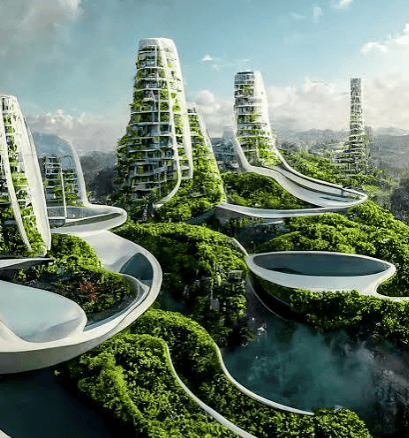

Artificial intelligence is reshaping sustainable architecture by integrating adaptive systems, generative design, and digital twins to optimize energy use, materials, and occupant well-being. The approach enables rapid exploration of greener forms, continuous performance monitoring, and data-driven resilience. Ethical governance, transparency, and stakeholder impact delineate decision boundaries. Interdisciplinary collaboration supports credible metrics and life-cycle assessments. The framework remains exploratory yet disciplined, balancing innovation with responsible choices that may redefine both design processes and built outcomes.
What AI-Powered Sustainability Can Unlock in Buildings
AI-powered sustainability technologies hold the potential to transform building performance across energy, materials, and occupant well-being.
This analysis surveys cross-disciplinary impacts: AI ethics shape decision boundaries; data governance ensures privacy and reliability; energy efficiency improves with adaptive systems; occupant well being benefits from responsive environments.
The approach remains cautious, exploratory, and forward-looking, prioritizing freedom to innovate within accountable, transparent frameworks.
How Generative Design Speeds Greener Architectural Options
Generative design accelerates the exploration of greener architectural options by rapidly evaluating vast combinatorial options for form, structure, and performance, thereby identifying energy-efficient configurations that might be impractical to test with traditional methods.
It introduces novelty constraints to balance innovation with feasibility, while acknowledging ethical implications in workflow, data use, and stakeholder impact, guiding interdisciplinary inquiry toward transparent, responsible, and freedom-aligned design choices.
See also: NFTs Beyond Digital Art
How Digital Twins Optimize Performance and Resilience
Digital twins enable continuous monitoring, simulation, and optimization of building performance by creating a dynamic, data-driven replica of physical assets and systems.
The approach integrates architectural, engineering, and operational perspectives to reveal interdependencies, enabling digital-informed decisions.
This facilitates digital twins adoption for performance optimization and resilience enhancement, supporting proactive maintenance, adaptive design, and cross-disciplinary collaboration toward safer, energy-efficient, future-ready environments.
Measuring Impact: Frameworks, Metrics, and Practical Case Studies
What metrics best capture the impact of sustainable architecture across performance, cost, and well-being, and how can frameworks harmonize disparate data streams into comparable assessments?
Frameworks integrate life-cycle, cost-benefit, and well-being indicators, enabling transparent comparisons.
Data collection and stakeholder engagement underpin credibility, while case studies reveal pragmatic trade-offs.
The approach supports interdisciplinary insight, guiding adaptive design and responsible AI-enabled decision making for freedom-loving audiences.
Frequently Asked Questions
How Is AI Ethically Aligned With Sustainable Design Choices?
AI aligns ethically with sustainable design by integrating ethics and stewardship into decision processes, acknowledging bias and fairness as core constraints; it supports interdisciplinary, forward-looking analysis, balancing freedom to innovate with accountability and long-term planetary and social well-being.
What Are the Long-Term Cost Implications of AI in Buildings?
The long term costs unfold as transformative but manageable, with maintenance economics shaping lifecycle budgets; AI-driven systems may reduce energy spend yet demand upfront investments, ongoing updates, and interdisciplinary governance to sustain value, resilience, and configurable freedom over time.
Can AI Improve Occupant Health and Well-Being Outcomes?
AI wellness suggests improvements in occupant health through AI ergonomics and environmental comfort, potentially elevating occupant happiness; interdisciplinary analyses indicate data-driven adjustments optimize comfort, yet freedom-loving design requires transparency and safeguards to sustain long-term well-being.
How Do AI Models Handle Data Privacy in Smart Buildings?
AI models in smart buildings enforce data minimization and consent management, acting like quiet guardians that balance insight with privacy; symbolism frames flow of signals as constraints, guiding interdisciplinary strategies toward freedom while maintaining analytical rigor and forward-looking safeguards.
What Barriers Exist for Policy Adoption of AI in Architecture?
Policy adoption barriers include fragmented governance, uncertain funding, and misaligned incentives; thus, policy incentives and Regulatory harmonization are needed to standardize approaches, reduce risk, and empower interdisciplinary innovation for architecture that embraces autonomous, adaptive, and sustainable design.
Conclusion
Artificial intelligence accelerates adaptive architectures, aligning ascent toward sustainable skylines. By bridging busy data streams, designers deploy disciplined, data-driven decisions that diminish demand and deepen durability. Generative design and digital twins foster fearless, forecast-ready futures; frameworks, metrics, and multidisciplinary minds ensure transparent, trustworthy transitions. Ethical governance guides gainful growth, yielding resilient, responsive buildings. In this interdisciplinary, forward-looking panorama, proactive partnerships produce practical, provable progress, painting pristine possibilities, and preserving planetary prosperity through prudent, people-centered progress.